Almost everyone may have their private opinion when it comes to Why is There Sewage Coming Up Through the Bathtub.

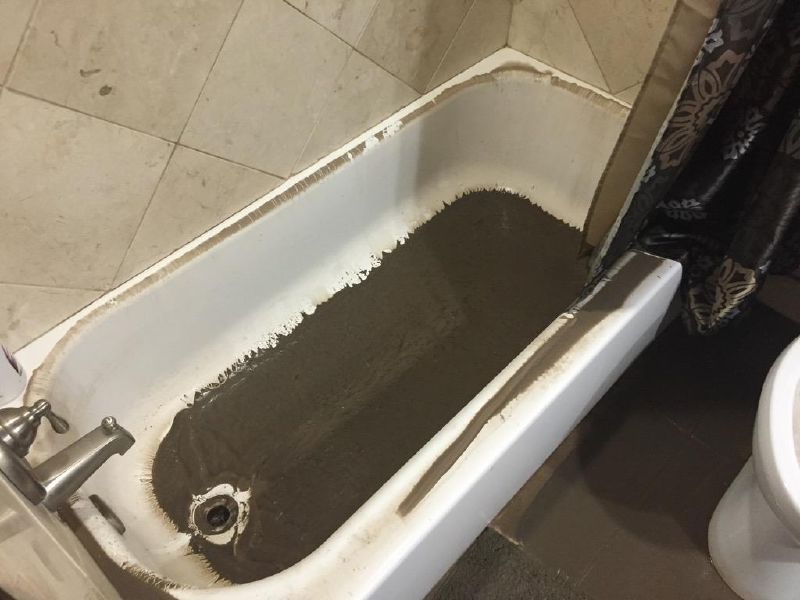
Sewage backup in the tub can be a distressing and unsanitary trouble for any house owner. Not just is it troublesome, yet it additionally presents severe health risks and shows underlying concerns with the plumbing system. Comprehending why sewer is turning up via the tub is important for taking ideal action to resolve the problem properly.
Introduction to the Issue
Comprehending the Problem
When sewer starts backing up into the bathtub, it's a clear indicator of a trouble with the drain system. The wastewater that should be moving far from your home is instead locating its way back into your living space, which can cause substantial damages and carcinogen.
Prospective Reasons
A number of elements can contribute to sewage backup in the bathtub. From clogs in the sewage system line to issues with the plumbing facilities, identifying the root cause is important for locating a remedy.
Usual Reasons for Sewage Back-up
Blockages in the Sewage System Line
One of one of the most common root causes of sewer backup is an obstruction in the sewage system line. This can happen as a result of the buildup of debris, oil, or foreign items in the pipes, stopping appropriate flow and causing sewage to back up into your bathtub.
Tree Root Intrusion
Tree roots looking for moisture and nutrients can penetrate sewage system lines via little cracks or joints. In time, these roots can grow and broaden, causing substantial damage to the pipes and resulting in sewage back-up problems.
Aging Infrastructure
Older homes might have dated plumbing systems that are much more susceptible to rust, cracks, and degeneration. As pipes age, they become much more prone to leaks and clogs, increasing the probability of sewer backup incidents.
Heavy Rainfall or Flooding
Throughout periods of heavy rainfall or flooding, the drain system might become overwhelmed with excess water, triggering back-ups and overflows. This can result in sewage supporting right into bath tubs and various other fixtures inside the home.
Health And Wellness Risks Associated with Sewer Backup
Contamination of Water System
Sewage back-up can contaminate the water supply in your house, posing a severe health and wellness risk to you and your family members. Exposure to polluted water can bring about intestinal concerns, skin infections, and other health problems.
Spread of Condition
Sewage includes harmful bacteria, infections, and parasites that can create a range of conditions, including liver disease, cholera, and gastroenteritis. Coming into contact with sewer or polluted surface areas puts you in jeopardy of infection.
Mold and mildew Growth
Dampness from sewer backup can develop suitable conditions for mold and mildew growth in your home. Mold spores can aggravate breathing troubles and create allergies in sensitive individuals, making prompt cleanup crucial.
Indicators of Sewage Back-up
Foul Odors
Unpleasant odors emanating from drains or components, especially in the restroom, might show sewer backup issues. These smells are usually solid and consistent, signifying an issue that needs prompt interest.
Slow Draining Fixtures
Bath tubs, sinks, and bathrooms that drain pipes gradually or not whatsoever could be experiencing sewage backup. If multiple fixtures are impacted concurrently, it's most likely that the issue originates from a typical factor, such as the primary drain line.
Gurgling Sounds
Weird gurgling or gurgling sounds coming from drains when water is running elsewhere in the house are indicative of air caught in the plumbing system. This air accumulation can arise from sewer backup and need to be explored quickly.
Immediate Actions to Take
Switching Off Supply Of Water
In case of sewer back-up, it's vital to switch off the water supply to prevent further contamination and damage. Find the main water shutoff valve in your home and closed it off until the problem can be fixed.
Contacting a Professional Plumber
Taking care of sewer backup is not a DIY task. Call an accredited plumber with experience in managing sewage-related concerns to examine the circumstance and execute necessary repair services or cleanups.
Staying Clear Of Contact with Polluted Water
Up until the sewage backup is solved, avoid contact with infected water to avoid the spread of microorganisms and pathogens. Wear safety gear if you have to remain in the afflicted location and wash your hands thoroughly afterward.
Preventive Measures
Routine Upkeep of Sewer Lines
Schedule routine assessments and upkeep of your drain lines to recognize and attend to possible issues before they rise into major problems. This can consist of cleaning debris, evaluating for tree origin breach, and repairing any kind of broken pipes.
Installing Bayou Valves
Take into consideration setting up bayou shutoffs in your plumbing system to prevent sewer from flowing back right into your home throughout periods of heavy rainfall or flooding. These shutoffs instantly close when water draws back up, shielding your residential or commercial property from contamination.
Proper Disposal of Household Waste
Avoid flushing anything besides bathroom tissue and human waste down the commode to avoid clogs and blockages in the sewage system line. Dispose of oil, oil, and other home chemicals properly to minimize the danger of plumbing troubles.
Tidying up After Sewage Backup
Sanitation Procedures
Completely sanitize and disinfect affected locations after sewage backup to remove harmful microorganisms and stop mold and mildew growth. Use appropriate cleansing products and safety gear to make sure risk-free and effective clean-up.
Repair of Influenced Areas
Fix any kind of damage to flooring, wall surfaces, or fixtures brought on by sewer backup. Depending upon the level of the damage, you may need to replace carpeting, drywall, or various other materials to restore your home to its pre-loss condition.
Why Is Water Backing Up in My Bathtub When I Flush My Toilet?
What to do about a sewer line clog
First, don’t bother with plunging. No amount of plunging will dislodge the clog in a sewer line. The clog is too far away. Plungers are for clogs in the toilet itself, not the sewer line. Plus, the most likely causes of a sewer clog are:
Tree roots Flushed toys or feminine products Grease buildup Those items don’t move easily. And in the case of tree roots, the roots need to be cut out of the pipe and the pipe will need to be repaired.
You’ll need a closet auger. A closet auger is a type of plumber’s snake with a protective cover to keep from scratching the delicate porcelain toilet. If the clog is further down, you may need to remove the toilet or use one of your cleanouts to get to the clog.
We also recommend doing a video inspection of the drain to ensure that the cause of the clog has been completely removed. Otherwise, you could have the same problem again in a few days or weeks.
https://mspplumbingheatingair.com/blog/why-is-water-backing-up-in-my-bathtub-when-i-flush-my-toilet
Do you appreciate reading up on Why is Sewage Backing Up Into My Bathtub?? Place feedback directly below. We'd be pleased to listen to your feelings about this write-up. In hopes that you visit us again before long. Sharing is caring. Helping others is fun. Thank-you for going through it.
Call Today